
Explore exclusive, firsthand roofing insights for Calgary. My goal is to help home and business owners or enthusiasts of the roofing industry, about the distinctive trends shaping the roofing in Calgary. Your most important 7 minutes of reading about the roofing industry in Calgary.
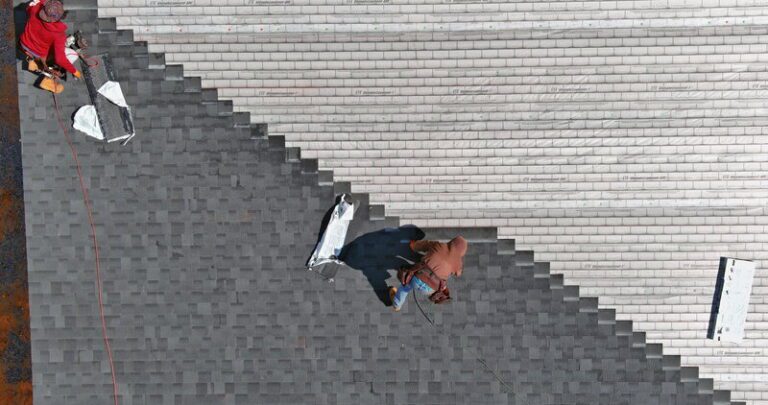
The most popular type of roofing for homeowners continues to be asphalt shingled roof.
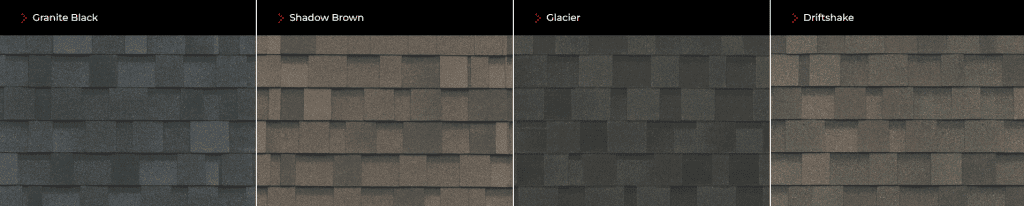
After 1848 successful roof installations, asphalt shingles continue to be the leading roofing product for over 85% of residential properties and 8% of commercial properties. IKO, Owen’s Corning and Malarkey shingle brands continue to sell out much more than BP, GAF and CertainTeed brands.
Our most preferred shingle is IKO Dynasty, as it is the best value for the money. It has a class 3 hail resistance rating and a 130-mph wind warranty. Though asphalt shingles remain the most popular choice, the Euroshield rubber product is seeing a rise in popularity because of the durability, low carbon print production and curb appeal it offers.
Although it is used only in between 1-2% of our projects, we estimate the usage to continue to grow year over year.
The average residential roof square footage we encounter is around 2000 sq ft., while the roof is most likely to have a 2/12, or 18.4° pitch. The average project we work on involves a roof that is at a height of 12 feet, or a single story, while the majority of customers who we work for see themselves living in the same home for at least 5 more years.
The most popular type of roofing for commercial properties go on to be SBS and EPDM flat roofing
As expected, flat roofing reigns over business properties because of the large square footage covered and the need to maximize the indoor height of the building. For over 428 commercial properties that we’ve roofed, SBS flat rubber roofing was the go-to choice for over 45% of properties.
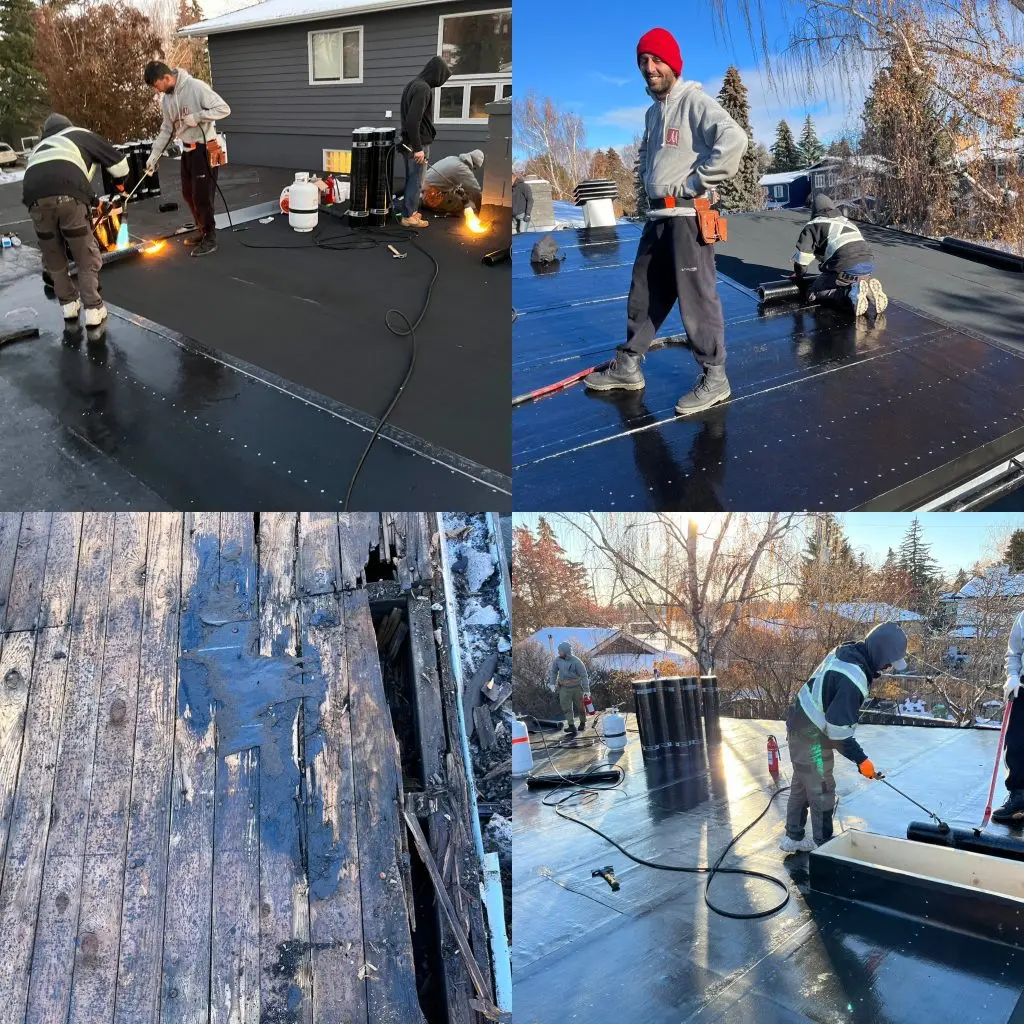
EPDM flat roofing came 2nd with 38%. PVC and TPO are the other commercial flat roofing products that are made of thermo-plastics. They are still a minority of the jobs, mostly because of the higher cost of material.
We are noticing and increase in the year over year numbers for PVC and TPO usage though. PVC flat roofing stands out as the only product that can be mostly recycled at the end of the life of the roof.
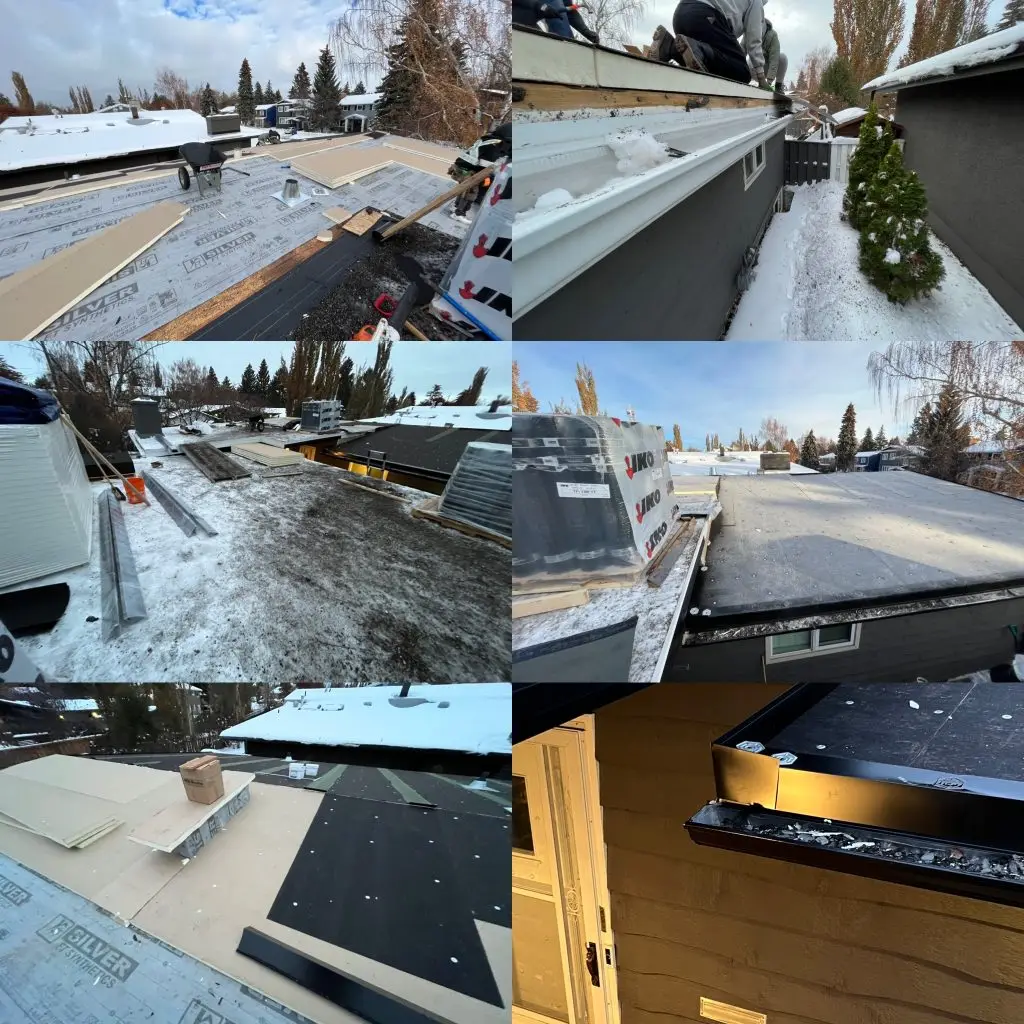
In the last 3 years we have realized the importance of water shedding and its positive correlation to the longevity of the roofing material. We are now recommending EPS slope packages or Polyisocyanurate slope packages to improve water shedding on commercial flat roofs.
Over 95% of our clients think that adding slope to their commercial roof is extremely important.
IKO and Soprema continue to be the main SBS flat roofing manufacturers in our market.
Carlisle and Elevate are the main EPDM Flat roofing manufacturers in our market.
The average commercial roof square footage we encounter is around 5000 sq ft., with the average slope of the roof being 1/12 or 4.76°, and the most common roof height is 20 feet, or two stories. For the majority of our customers, they predict that they will own the commercial property we work on for more than 10 years after completion.
Is there a shift to Eco-friendly roofing?
In recent years, we have noticed an increased demand for pricing on eco-friendly roofing. Although it is not a large enough part of the market due to cost, we expect the demand to increase year-over-year. Though, Toronto has a program in place for funding Green Roofs, Alberta has a Sharp Grant in place for roof repairs, focused on specific categories of our society and other rebates.
Residential eco-friendly roofing:
Euroshield, a Calgary based company, is leading the roofing industry with their rubber shingles. Their products are now made of 95% recycled compounds, mainly from used tires. This number was 75% just a few years ago. Euroshield is abiding by their “Really green” commitment. They also offer high wind performance, hail resistance and product warranties.
Steel panel roofing material is also made from recycled material, on average 25%-35% of it coming from recycled steel.
Commercial eco-friendly roofing:
All the single-ply roofs like EPDM, PVC and TPO are all recyclable. The two-ply SBS roofs are partially recyclable at around 15% like the asphalt shingles. EPDM is the most environmentally friendly product as it is easier to recycle and it is used for rubber mats in playgrounds and other rubberized products, which cut the use of fossil fuels.
PVC membranes can be recycled and used in PVC tubes and other products.
Asphalt shingle recycling:
When you bring a load of old asphalt shingles to the landfill, you get a recycling discount on the $/ton price you are charged for regular construction material. That does not mean all of it gets recycled. In our area, the portion of all the asphalt shingles recycled to the total discarded is only 15%.
There is a lot of incentives from the governments to increase the roofing recycling industry, but the regulation and cost of building the facilities make it very hard. Also, the cost of new inputs like fiberglass and bitumen is very low compared to the cost of extracting them from old, discarded shingles.
Until these costs are close to equal or there is a more significant incentive, we do not see anything changing in the near future.
What needs repairing the most in Calgary roofing?
Out of 1560 residential roofs we have repaired, over 80% of them involved repairing areas where the roof pools water, such as chimney leaks, skylight leaks and vent or flashing leaks.
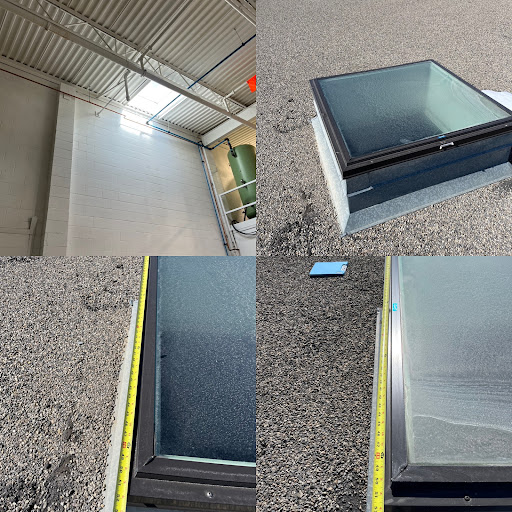
The rest of these remedial projects were evenly distributed between damaged shingles, missing sealant and acts of God (hail or wind damage and so on)
The main causes for repairs continue to be faulty workmanship. The 2nd more notable cause would be material failure.
In the commercial space the story is similar. The most common repairs would be the areas where the roofing membrane is bent to go up a wall or cut around a penetration. Another area where commercial roofs leak is around the drains or scuppers.
Water collects around the drains and scuppers, making the seams and seals susceptible to premature failure and eventually leaking. Commercial roofs need leak preventative maintenance every 5-10 years and inspections every 2 years once the roof reaches 15 years old.
Cost of roof replacement and roof repairs
Roof replacements for residential properties within Calgary were within the $8,000-$46,000 range. The average roof replacement is about $12,800. For current price ranges by job type, see our Calgary roof replacement cost guide.
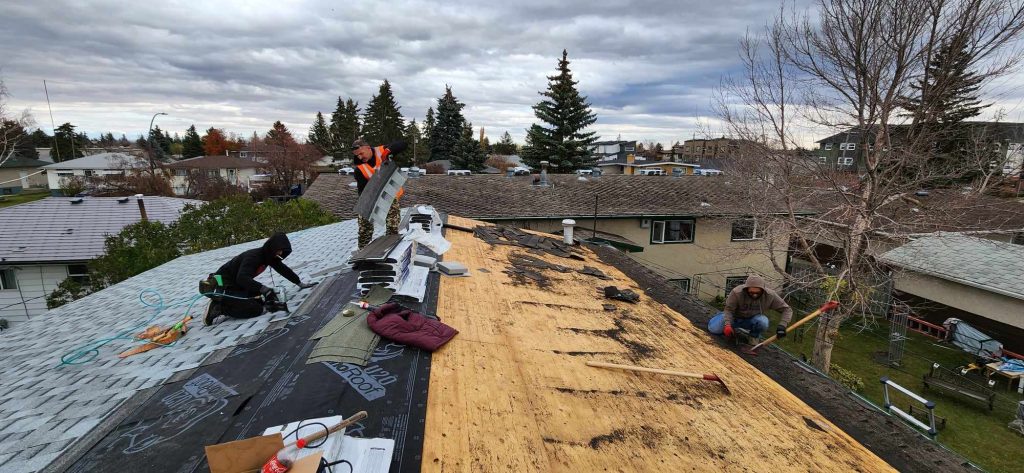
Roof repairs range from $450-$7500 and average around $2800 for residential properties. Roof repairs for commercial properties range between $1650-$18,000 while averaging around $9,500.
Aesthetic trends in roofing
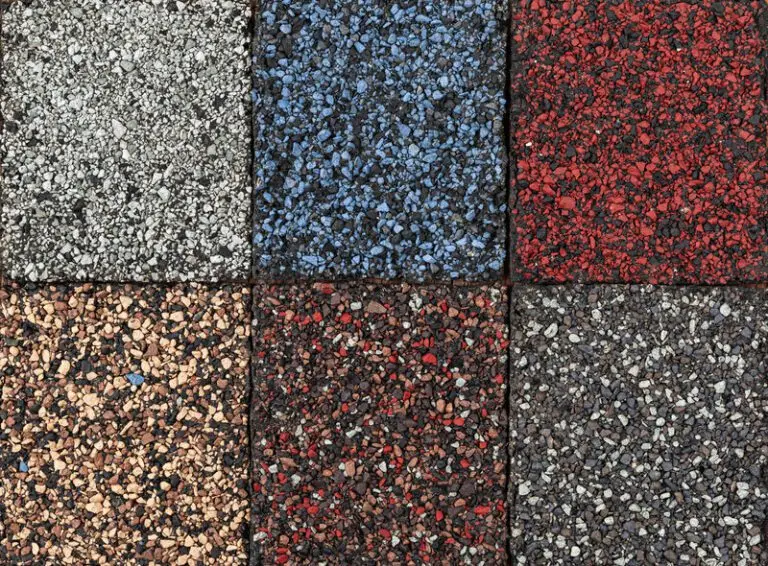
The aesthetic choices of a roof consist of pattern (thicker) and color (darker).
In residential roofing materials there is a tendency for customers to want a thicker material and a darker color. The most aesthetically preferred pattern is the wood shake, and the most preferred color is black.
In commercial roofing, the only trend we see is that more and more people are choosing a white colored roof. White roofs are offered by all three single-ply membranes, which are EPDM, PVC and TPO. The latter looks thicker and shinier than the others, because it is, making TPO the more preferred option. SBS Cap membranes come in a light gray color, but it is only chosen if the client can’t afford the single-ply systems.
Innovation in roofing – the future of roofing technology
We think the future of roofing and the construction industry in general is in renewables. The grants and loans that governments have offered as well as the rising energy costs are making more and more people inquire about solar.
We think that there is still a lot of room for improvement in energy capturing products. Concepts like solar shingles will come to the market along with improved solar panel systems. All this will not only transform what our roofs look like and how they perform, but what they do as well.
Roofing won’t just be weather protection, but an integral part of the building operation and key to its energy consumption. For both commercial and residential properties, a roof will become your source of energy as well as the protective structure we know today.